Skip to content

Stay Warm and Worry-Free: Essential Furnace Maintenance Tips for Newark Homeowners
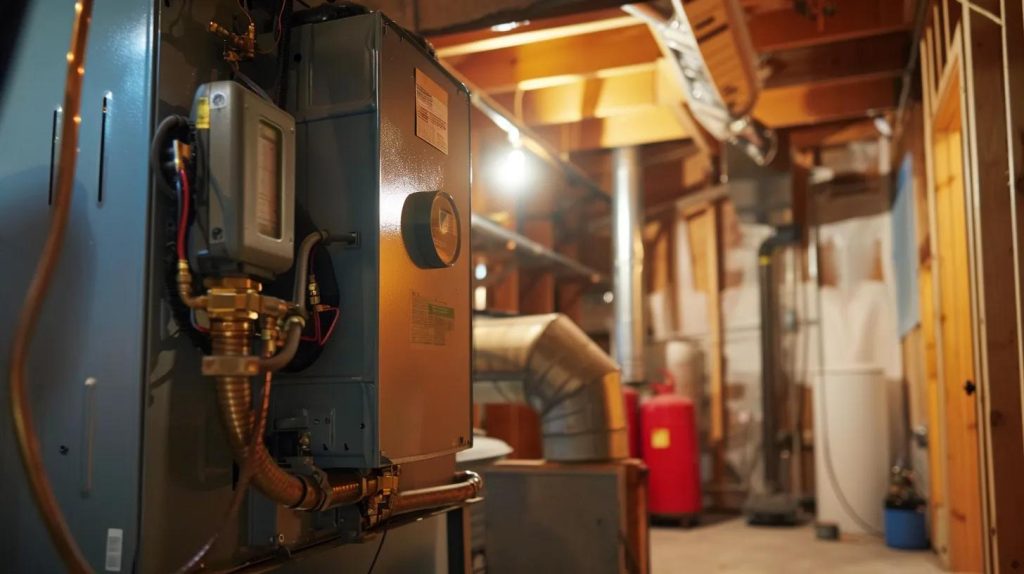
Keeping your furnace in good shape means safer, more reliable heat when Newark gets cold. This guide walks Newark homeowners through simple DIY tasks, clear warning signs that require a pro, and a short pre-winter checklist you can use right away.
City homes often face more dust, tighter mechanical spaces, and heavier seasonal use, so knowing what you can do yourself and when to helps prevent carbon monoxide risks and expensive repairs.
Below you’ll find step-by-step DIY actions, a quick timeline for professional service, the main benefits of annual maintenance, and a practical pre-winter checklist tailored for Newark conditions. Use these steps to improve indoor air quality, extend your Newark furnace’s life, and plan a timely tune-up before the cold arrives.
Essential DIY Furnace Care for Newark Homeowners

Keeping your furnace in top shape doesn’t always require a professional visit in Newark. With a few simple, safe DIY , you can maintain airflow, protect key components, and ensure your system runs efficiently throughout the heating season. From checking air filters and vents to testing thermostats and carbon monoxide detectors, these routine actions help prevent costly repairs, improve safety, and make professional tune-ups more effective.
Top DIY Furnace Maintenance Tasks Every Newark Homeowner Can Do
There are a few safe, repeatable tasks you can do between professional visits to keep your furnace running well and reduce dust buildup. These focus on airflow, basic cleaning, and checking safety devices that affect combustion and indoor air quality. Regular DIY checks lower stress on the blower, help your thermostat stay accurate, and reduce runtime and energy use.
The most important DIY tasks for everyday furnace care in Newark are:
- Replace or inspect the air filter to keep airflow steady and efficiency high.
- Clear supply and return vents so rooms heat evenly and the blower doesn’t work harder than it should.
- Test your thermostat and change batteries to make sure the system cycles correctly and keeps set temperatures.
Doing these simple tasks prevents common airflow problems and reduces strain on the heat exchanger, helping the system perform reliably until a certified inspection is scheduled.
| Component | Maintenance | Frequency |
|---|---|---|
| Air filter | Replace and check for heavy dust; confirm proper orientation | Every 1–3 months |
| Supply/return vents | Vacuum and remove blockages; make sure registers are fully open | Every 3 months |
| Carbon monoxide detector | Test the alarm and swap batteries; place detectors near bedrooms | Monthly test; batteries as needed |
How Newark Homeowners Should Check & Change a Furnace Filter
- Turn off the power at the thermostat or breaker before opening the furnace panel.
- Locate the filter slot, usually inside the furnace cabinet or at a return grille.
- Slide out the old filter and check for dark discoloration, dust buildup, or a musty odor.
- Insert a new filter with the airflow arrow pointing toward the furnace.
- Avoid high-MERV filters on older systems since they can restrict airflow.
- Restore power and make sure the furnace starts up normally.
If airflow still feels weak or the furnace acts unusual, contacting a trusted heating contractor in Newark ensures the system runs safely and efficiently.
Keep Your Home Safe: Testing Thermostats and Carbon Monoxide Detectors
Testing your thermostat and CO detectors keeps your family safe and your system responsive. Change thermostat setpoints up and down to confirm the furnace reacts within about 1–2 minutes; replace thermostat batteries yearly or when the display fades.
For CO detectors, press the test button to ensure the alarm sounds; follow manufacturer guidance for replacing the unit or batteries, and place detectors near sleeping areas and on each floor.
If your thermostat doesn’t call for heat or a CO alarm activates, ventilate the house, leave if necessary, and contact a professional right away. Routine testing keeps temperature control accurate and catches combustion issues early.
The Importance of Annual Furnace Maintenance for Newark Homes

Regular furnace maintenance in Newark is essential for keeping your home safe, comfortable, and efficient, especially in Newark’s seasonal climate. Yearly professional inspections and routine upkeep prevent unexpected breakdowns, improve energy efficiency, extend system lifespan, and reduce safety risks like carbon monoxide exposure.
Understanding the value of annual care helps homeowners prioritize maintenance tasks and protect both their families and their investment in the heating system.
The Crucial Role of Annual Furnace Maintenance for Newark Homes
Annual maintenance matters in Newark because seasonal temperature swings, urban dust, and heavy runtime accelerate wear compared with milder areas.
Yearly checks reduce carbon monoxide risk, boost efficiency, and help maintain manufacturer warranties that often require documented professional inspections.
Annual maintenance delivers several primary homeowner benefits:
- Safety: Finds combustion and venting issues that could lead to carbon monoxide.
- Efficiency: Restores airflow and combustion for lower energy use.
- Longevity: Reduces wear on moving parts and helps avoid early component failure.
| Maintenance Action | Attribute | Benefit/Value |
|---|---|---|
| Annual inspection | Energy use | Potential 5–15% efficiency improvement |
| Safety check | CO prevention | Early detection and reduced hazard risk |
| Component cleaning | Reliability | Fewer unexpected breakdowns and repairs |
Regular Maintenance Extends Furnace Lifespan and Lowers Repair Costs
Routine maintenance lengthens furnace life by cutting abrasive wear, preventing overheating, and keeping system cycles balanced so parts operate within design limits. Cleaning, lubrication, and calibration reduce stress on the blower motor and limit heat exchanger fatigue, delaying costly replacements and stretching service life by several seasons.
Finding worn belts, loose electrical connections, or small combustion imbalances early prevents small problems from becoming major failures. Over time, these preventative steps lower total repair costs and make monthly heating expenses more predictable.
Risks of Neglecting Furnace Maintenance in Newark’s Climate
- Skipping furnace maintenance in Newark increases the chances of mid-winter breakdowns, especially during freezing temperatures.
- Inefficient combustion raises energy bills and forces your system to run longer to keep up with Newark’s colder climate.
- Hidden safety hazards, like carbon monoxide leaks, become more likely without routine checks.
- Newark homes with tighter ductwork or higher dust levels can experience faster filter clogging, restricting airflow and straining the system.
- Extended runtimes create extra mechanical wear, shortening furnace lifespan and increasing repair frequency.
- Ignoring early warning signs such as odd smells, frequent cycling, or unusual noises can lead to expensive emergency repairs during peak demand.
- Putting off maintenance may result in temporary heating loss during Newark’s cold snaps when you need heat the most.
Preparing Your Furnace for Winter in Newark
A little pre-winter preparation goes a long way in preventing mid-season failures and keeping your furnace running efficiently throughout the cold months. By completing simple maintenance tasks, checking safety devices, and scheduling a professional tune-up before sustained cold, homeowners can improve system reliability, reduce energy costs, and avoid emergency service calls during peak demand.
Get Winter-Ready: Your Newark Furnace Prep Starts Here!
A short pre-winter routine helps avoid mid-season failures and keeps efficiency high when temperatures drop. Preparing your furnace in November ensures it’s ready before sustained cold and reduces reliance on emergency services.
The checklist below collects the most important pre-winter actions homeowners should complete or confirm before heavy use. Doing these items cuts the risk of mid-season failures and makes a professional tune-up more effective.
- Replace the air filter and confirm the size and airflow direction are correct.
- Vacuum vents, clear outdoor intakes and grilles of leaves and debris, and check the flue termination for blockages.
- Test thermostat schedules and carbon monoxide detectors; replace batteries as needed.
After these steps, inspect visible duct connections for gaps and seal small leaks with proper HVAC tape. If you haven’t had a documented inspection in the past year, schedule a professional tune-up. These pre-season checks improve combustion efficiency and lower the chance of emergency service calls during peak winter demand.
Essential Steps in a Pre-Winter Furnace Checklist
Essential pre-winter steps focus on airflow, ventilation, control accuracy, and visible safety items to keep heating reliable all season:
- Swap the air filter to maintain steady airflow and system efficiency.
- Clear vents and registers to ensure even heating throughout your home.
- Test the thermostat to confirm it responds correctly to temperature adjustments.
- Check carbon monoxide detectors and replace batteries as needed for safety.
- Inspect external vents and intake screens after fall storms for leaves, debris, or blockages.
- Verify combustion air openings are unobstructed to ensure proper furnace operation.
- Listen for unusual noises or hesitation during system testing; schedule a professional inspection if needed to avoid emergency repairs and maintain efficiency.
Recognizing Furnace Issues That Require Immediate Service
Spotting urgent furnace problems in Newark helps prevent safety incidents and extended heat outages:
Immediate danger signs requiring urgent action:
- Carbon monoxide (CO) alarm activation
- Smell of gas
- No heat despite power and correct thermostat settings
- Loud banging or grinding noises at startup
Warning signs needing prompt attention (non-emergency):
- Uneven heating in different rooms
- Frequent short cycling
- Steadily rising energy bills
Action steps:
- If you detect a severe alarm or gas, evacuate, ventilate if safe, and call emergency services immediately.
- For non-emergency issues, schedule a professional inspection in Newark to diagnose and fix the problem before it escalates.
Maverick Ambitions HVAC: Your Partner for Safe, Efficient Furnace Care

Keeping your furnace in top condition is essential for Newark homeowners who want a safe, efficient, and reliable heating system. Performing these routine tasks before winter not only reduces stress on your system but also protects your home and family from potential hazards such as carbon monoxide leaks.
Take proactive steps today to ensure your furnace is ready for winter. Schedule a pre-season inspection with , Newark’s trusted experts, for fast, professional service and peace of mind. With their certified technicians, maintenance plans, and emergency support, you can enjoy a warm, worry-free season knowing your home’s heating system is in capable hands.
Ready to stay warm all winter? Call Maverick Ambitions HVAC today to schedule your furnace maintenance in Newark and keep your comfort running strong!