Skip to content
 heat, heating system, water, duct, electricity, air conditioning, fuel, air filter, furnace, central heating, humidity, thermal comfort, heat pump, thermostat, pump, refrigerant, air handler, evaporator, condenser, smart thermostat, energy conservation, ground source heat pump, heat exchanger, climate, compressor, space, boiler, airflow, seasonal energy efficiency ratio, centrifugal fan, pollution, indoor air quality, ashrae, basement, construction, liquid, carbon, pressure, passive ventilation, humidifier, dehumidifier, flue, data, pipe, technology, dust, chimney, information, water heating, oil, carbon dioxide, home automation, radiator, zoning, ceiling, design, floor, moisture, efficiency, data center, building science, engine, automation, building information modeling, cost, air purifier, geothermal heating, air source heat pump, heat transfer, natural gas, commercial hvac systems, hvac, indoor air, hvac dealer, home comfort, heating and cooling, hvac services, air conditioning system, heating, hvac maintenance, cooling system, air conditioning systems, hvac application, hvac data, annual fuel utilization efficiency, united states environmental protection agency, fan, odor, radiant heating and cooling, maintenance, sustainability, heat recovery ventilation, free cooling, machine, health, oxygen, propane, heating seasonal performance factor, valve, combustion, hybrid, filtration, carbon monoxide, underfloor heating, willis carrier, window, zip code, international code council, acronym, building insulation, warranty, room, alternating current, particulates, regulation, mechanical engineering, expert, building automation, safety, variable refrigerant flow, electric power, coolant, programmable thermostat, system, pdf, temperature control, occupational safety and health, bacteria, renewable energy, troubleshooting, consumption, waste, thermal expansion valve, infrastructure, home improvement, wall, heating element, energy, evaporative cooler, mold, smoke, ratio, heating oil, citation, convection, hvac information, hvac in data center, debris, attic, leak, ventilation, water damage, drainage, algae, vacuum, carbon monoxide detector, money, inspection, vacuum cleaner, noise, hvac preventative maintenance, hvac repair, hvac company, commercial hvac, annual hvac maintenance, request service, home equity, condensate line, moving, hvac technician, professional hvac, insurance, gas leak, accessibility, furniture, wear, wear and tear, email address, dirt, southern california, monoxide, energy star, corrosion, technician, life expectancy, failure, credit, pollen, vinegar, investment, flame, attention, emergency, account, air quality, air conditioning unit, preventative maintenance, outdoor hvac unit, hvac maintenance tips, hvac system, hvac maintenance checklist, network, air vents, outdoor unit, diy hvac maintenance, hvac tips, insulation, clean, continue, hvac unit, air conditioner, checklist, energy consumption, brush, drain, cleaner, circuit breaker, switch, fuse, knowledge, hvac issues, equipment, hvac troubleshooting, hvac problems, common hvac problems, subcooling, power supply, contactor, capacitor, multimeter, room temperature, voltage, mildew, pilot light, personal protective equipment, relay, light, check, flow, repair, power, checking, energy bills, hvac systems, risk
Frequently Asked Questions
Can I perform HVAC maintenance tasks myself or hire a pro?
You can perform some HVAC maintenance tasks yourself, such as changing filters and cleaning vents, but hiring a professional ensures thorough inspections and repairs, optimizing system efficiency and safety.
What are the common HVAC problems and solutions?
Common HVAC problems include inadequate heating or cooling, strange noises, and poor airflow. Solutions often involve regular maintenance, checking filters, and ensuring proper thermostat settings. For persistent issues, professional inspection and repair are recommended.
How do I troubleshoot a malfunctioning HVAC system?
Troubleshooting a malfunctioning HVAC system involves checking the thermostat settings, ensuring the power supply is on, inspecting air filters for clogs, and examining ductwork for leaks. If issues persist, contact a professional for assistance.
Can I use DIY techniques for HVAC maintenance?
DIY techniques can be useful for basic HVAC maintenance. Regular tasks like changing filters and cleaning vents can enhance efficiency, but complex repairs should be left to professionals to ensure safety and proper functionality.
How often should I schedule professional HVAC maintenance?
Scheduling professional HVAC maintenance is essential for optimal performance. It is recommended to schedule maintenance at least twice a year—once for heating and once for cooling—to ensure efficiency and longevity of your system.
What are the signs of a malfunctioning HVAC thermostat?
The signs of a malfunctioning HVAC thermostat include inconsistent temperature readings, the HVAC system not responding to temperature changes, frequent cycling on and off, or the display being blank or unresponsive.
What is the importance of HVAC maintenance and repair?
The importance of HVAC maintenance and repair lies in ensuring optimal performance and efficiency of your heating and cooling systems. Regular maintenance helps prevent costly breakdowns, extends equipment lifespan, and improves indoor air quality, ultimately enhancing comfort and energy savings.
What are common signs of HVAC system malfunction?
Common signs of HVAC system malfunction include inconsistent temperatures, unusual noises, increased energy bills, and poor air quality. If you notice any of these issues, it's essential to contact a professional for inspection and repair.
What DIY tasks are safe for HVAC systems?
Safe DIY tasks for HVAC systems include changing air filters, cleaning vents, and checking thermostat settings. These simple maintenance actions can help improve efficiency and indoor air quality without risking damage to the system.
How can I tell if HVAC needs maintenance?
Signs that your HVAC system needs maintenance include unusual noises, inconsistent temperatures, increased energy bills, and poor air quality. Regular inspections can help identify issues before they escalate, ensuring optimal performance and comfort.
What tools are essential for HVAC troubleshooting?
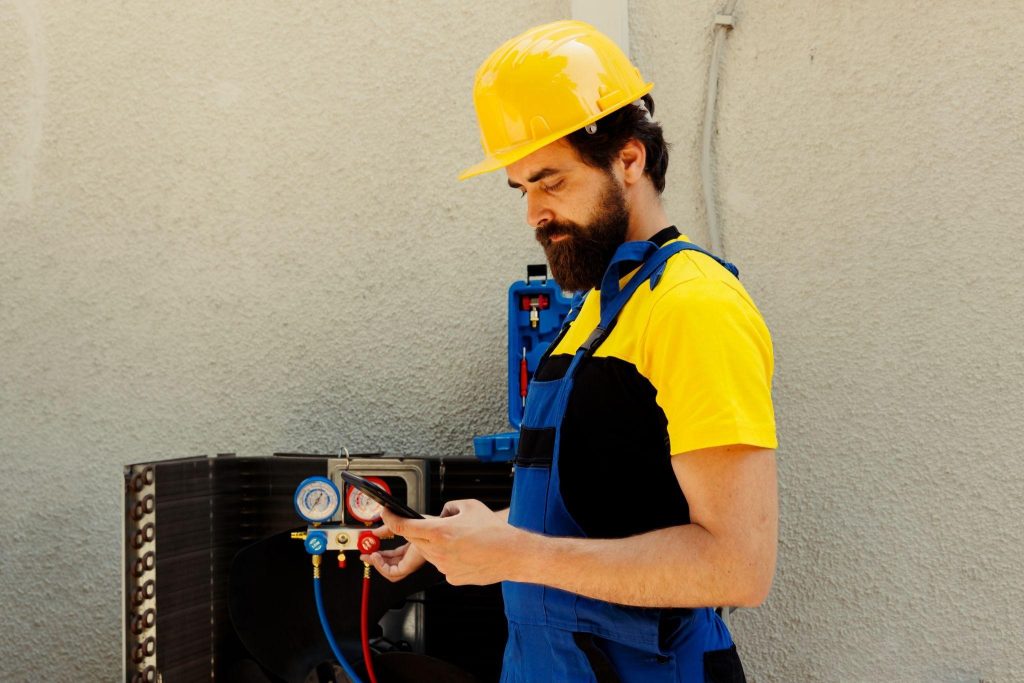
The essential tools for HVAC troubleshooting include a multimeter for electrical diagnostics, a refrigerant gauge set for pressure measurements, a manometer for gas pressure checks, and basic hand tools like wrenches and screwdrivers for repairs.
How can I avoid common HVAC installation mistakes?
To avoid common HVAC installation mistakes, ensure proper sizing of the system, follow manufacturer guidelines, and consider hiring a qualified professional for installation. Regularly review your system's performance to catch any issues early.
When should I replace my HVAC thermostat?
The right time to replace your HVAC thermostat is when it becomes unresponsive, inaccurate, or outdated, particularly if it’s over ten years old. Upgrading can enhance system efficiency and improve comfort in your home.
What are signs of a failing HVAC compressor?
The signs of a failing HVAC compressor include unusual noises, decreased cooling efficiency, frequent cycling on and off, and increased energy bills. If you notice these symptoms, it's essential to consult a professional for an assessment.
How to improve indoor air quality with HVAC?
Improving indoor air quality with HVAC involves regular maintenance, using high-efficiency filters, and ensuring proper ventilation. Additionally, consider integrating air purifiers and humidity control systems to enhance air cleanliness and comfort.
What routine checks should I perform on HVAC?
Routine checks for your HVAC system include inspecting and replacing air filters, cleaning the coils, checking thermostat settings, ensuring proper airflow, and scheduling professional maintenance at least once a year to optimize performance and efficiency.
When is it time to hire HVAC professionals?
It is time to hire HVAC professionals when your system is not functioning properly, requires frequent repairs, or when you need a new installation. Additionally, if you notice unusual noises or rising energy bills, professional assistance is essential.
What noises indicate HVAC issues?
Noises that indicate HVAC issues include banging, hissing, or rattling sounds, which may signal loose components, refrigerant leaks, or mechanical failures. It's important to address these noises promptly to prevent further damage to your system.
How can I maximize HVAC system efficiency?
Maximizing HVAC system efficiency involves regular maintenance, including changing filters, sealing ducts, and scheduling professional inspections. Additionally, using programmable thermostats and ensuring proper insulation can significantly enhance performance and reduce energy costs.
What is the average HVAC repair cost?
The average HVAC repair cost typically ranges from $150 to $500, depending on the type of repair needed and the complexity of the issue. Factors like the system's age and the specific parts required can also influence the final price.
How does poor maintenance affect HVAC performance?
Poor maintenance significantly impacts HVAC performance by leading to decreased efficiency, higher energy costs, and increased wear on components. This neglect can result in frequent breakdowns and ultimately shorten the lifespan of the system.
What steps are involved in HVAC troubleshooting?
The steps involved in HVAC troubleshooting include identifying the issue, checking the thermostat settings, inspecting power sources, examining filters and ducts, and assessing system components for faults. These systematic checks help diagnose and resolve HVAC problems efficiently.
How to identify HVAC ductwork issues?
Identifying HVAC ductwork issues involves checking for signs such as uneven heating or cooling, unusual noises, and increased energy bills. Inspect for visible damage, disconnected ducts, or dust buildup, which can indicate leaks or blockages.
What is the process for HVAC system cleaning?
The process for HVAC system cleaning involves several key steps: first, a thorough inspection of the system is conducted, followed by the removal of dust and debris from components such as filters, ducts, and coils, ensuring optimal performance and air quality.
What does HVAC maintenance typically include?
HVAC maintenance typically includes a thorough inspection of heating and cooling systems, cleaning or replacing filters, checking refrigerant levels, testing thermostats, and ensuring all components are functioning efficiently to optimize performance and longevity.
How often should I check HVAC refrigerant levels?
Checking HVAC refrigerant levels is essential for optimal system performance. It's recommended to inspect refrigerant levels at least once a year during routine maintenance, or more frequently if you notice cooling inefficiencies.
What are common misconceptions about HVAC maintenance?
Common misconceptions about HVAC maintenance include the belief that it’s only necessary during extreme weather months, that filters don’t need regular changing, and that DIY repairs are always safe and effective. Regular maintenance is crucial year-round for optimal performance.
What energy-saving tips can improve HVAC efficiency?
Energy-saving tips to improve HVAC efficiency include regularly replacing air filters, sealing ducts, and scheduling annual maintenance checks. Additionally, using a programmable thermostat can optimize heating and cooling schedules, reducing energy consumption and costs.
How to choose the right HVAC professional?
Choosing the right HVAC professional involves considering their experience, certifications, customer reviews, and service offerings. Ensure they provide transparent estimates and emergency support to meet your heating and cooling needs effectively.
What factors affect HVAC lifespan and maintenance?
The factors that affect HVAC lifespan and maintenance include regular service checks, the quality of installation, usage patterns, environmental conditions, and adherence to manufacturer guidelines. Proper care significantly enhances efficiency and extends the system's longevity.
hvac cleaning newark, ductless ac installation newark, newark hvac, ductless ac repair newark, ac tune up newark, commercial ac repair newark, hvac maintenance newark, commercial hvac newark, commercial hvac repair newark nj, commercial hvac newark nj, commercial heating repair newark
```html
Maximize Your HVAC System's Efficiency
To ensure your HVAC system operates at peak efficiency, regular maintenance is essential. This includes changing filters, cleaning ducts, and scheduling professional inspections. By keeping your system well-maintained, you can prevent costly breakdowns and extend its lifespan, ultimately saving your business money in the long run.
Additionally, consider investing in smart thermostats that allow for better temperature control and energy management. These devices can learn your business's schedule and adjust settings accordingly, reducing energy consumption during off-hours. Implementing these strategies can lead to significant savings on your energy bills while maintaining a comfortable environment for employees and customers alike.
Understanding the Importance of Indoor Air Quality
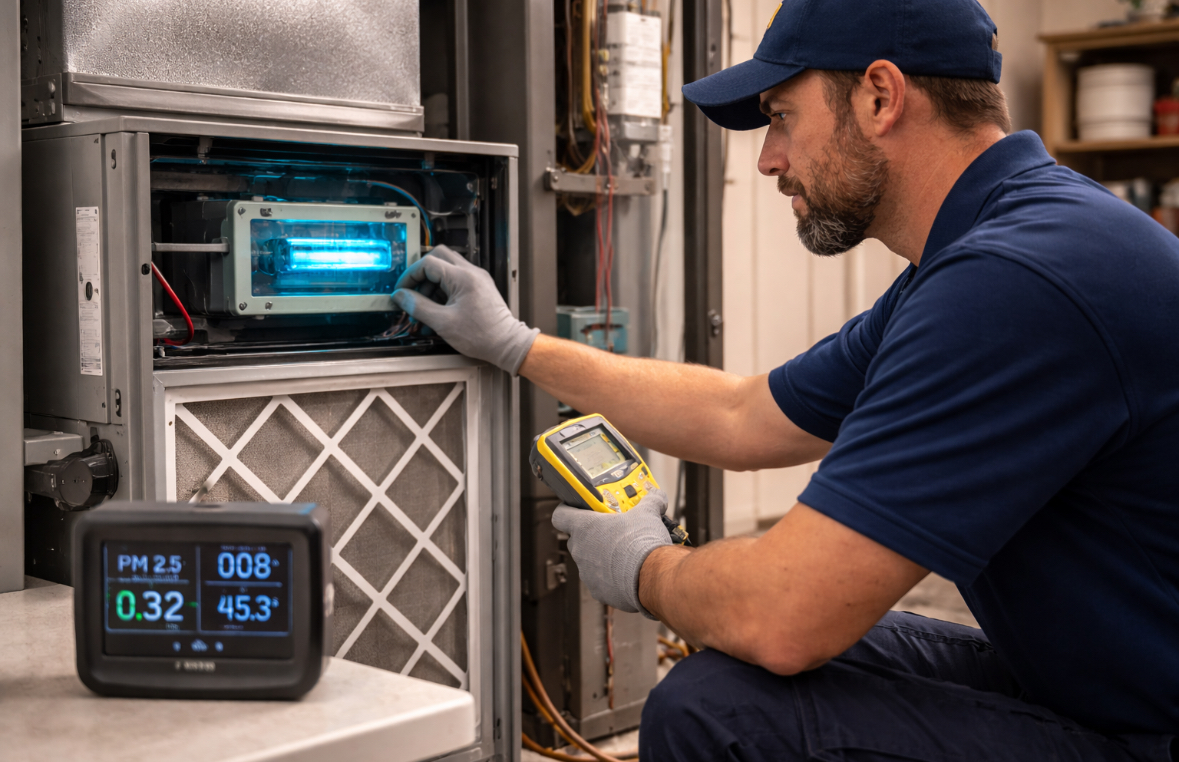
Indoor air quality (IAQ) is a critical aspect of any commercial space, especially in Newark where outdoor pollution can impact the air we breathe indoors. Poor IAQ can lead to health issues for employees and customers, resulting in decreased productivity and potential loss of business. Regular HVAC maintenance not only improves energy efficiency but also enhances air quality by ensuring proper ventilation and filtration.
Consider incorporating air purifiers and humidity control systems into your HVAC setup. These additions can help eliminate allergens, dust, and other pollutants, creating a healthier indoor environment. By prioritizing IAQ, you not only comply with health regulations but also demonstrate a commitment to the well-being of everyone who enters your establishment.
```