Skip to content


Summer in Newark is not just about rising temperatures. It is also the season when many homeowners notice a sharp increase in their utility bills. As cooling systems work harder to maintain indoor comfort, even small inefficiencies can lead to significant energy waste.
What most homeowners don’t realize is that these spikes are often preventable. With the right system optimization and timely maintenance, your AC can run efficiently without driving up costs. This guide breaks down exactly what causes high cooling expenses and how you can stay ahead of them.
How Newark Summers Drive Higher Cooling Costs

Why Utility Bills Spike During Peak Cooling Season
During peak summer months, cooling demand increases across the entire region. In areas like Essex County, high humidity levels force air conditioning systems to run longer cycles, not just to cool the air but also to remove excess moisture.
This extended runtime is one of the biggest reasons energy bills climb. When your system runs continuously, even minor inefficiencies such as clogged filters or airflow restrictions get amplified. Homes with older insulation or duct systems are especially vulnerable, as cool air escapes faster, forcing the AC to compensate.
Another key factor is peak-hour energy pricing. Utility providers often charge more during high-demand periods, which means inefficient systems cost even more to operate. Without proper optimization, your AC ends up working harder while delivering less effective cooling.
Common Cooling System Issues That Increase Energy Usage
Dirty Filters and Restricted Airflow
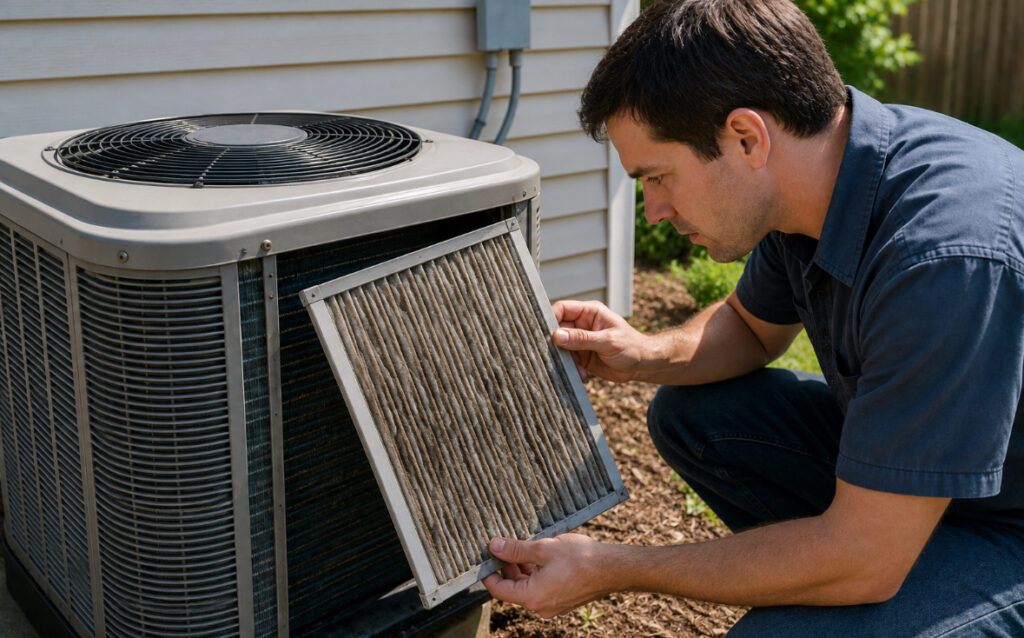
Airflow is one of the most critical factors in how efficiently your AC operates. When filters become clogged with dust, pollen, and debris, airflow is restricted, forcing the system to work harder to push air through the ducts.
Over time, this leads to longer cooling cycles, uneven temperatures, and increased wear on system components. In many Newark homes, especially older properties, airflow issues are one of the primary reasons for rising energy costs.
Key signs of restricted airflow:
- Weak airflow from vents
- Rooms cooling unevenly
- AC running longer than usual
- Increase in indoor dust levels
Replacing filters regularly and scheduling professional AC maintenance helps restore proper airflow and improve overall efficiency.
Refrigerant Issues and Poor Cooling Performance
Refrigerant plays a central role in your AC’s ability to remove heat from your home. When refrigerant levels are low or imbalanced, the system cannot cool effectively, even if it runs continuously.
This often results in warm or slightly cool air instead of consistent cooling. The system compensates by running longer cycles, which increases energy usage without improving comfort.
| Issue | What Happens | Impact on Energy |
|---|---|---|
| Low refrigerant | Reduced cooling capacity | Longer runtime |
| Leaks in system | Loss of pressure | Inefficient operation |
| Improper charge | System imbalance | Higher energy bills |
Addressing refrigerant issues early prevents unnecessary strain and ensures your system operates at optimal efficiency.
Aging Systems Struggling to Keep Up
Older AC systems naturally lose efficiency over time. Components wear down, airflow becomes less effective, and overall performance declines. In homes with systems over 10–15 years old, this inefficiency becomes more noticeable during peak summer usage.
These systems often require more energy to produce the same level of cooling as newer units. They may also struggle to maintain consistent temperatures, especially during extreme heat.
Common signs your system is aging and underperforming:
- Frequent Repair Needs: Breakdowns and service calls become more common as key components begin to wear out.
- Inconsistent Cooling: Some rooms stay warm while others cool unevenly due to reduced system efficiency.
- Rising Energy Bills: Increased runtime and lower efficiency lead to noticeably higher monthly utility costs.
- Longer Cooling Cycles: The system runs for extended periods without reaching the desired temperature.
Regular maintenance plans can help slow down this decline and improve efficiency, but in many cases, upgrading to a newer system becomes the more cost-effective solution over time.
How HVAC System Optimization Reduces Energy Costs

Optimizing your HVAC system is not just about fixing visible problems. It involves improving how your entire system operates under real conditions. When airflow, refrigerant levels, and system controls are properly balanced, your AC can cool your home more efficiently without overworking.
A well-optimized system runs shorter cycles, maintains consistent temperatures, and uses less energy overall. Instead of constantly adjusting to compensate for inefficiencies, it operates smoothly and predictably.
For homeowners in Newark, this means lower utility bills, improved comfort, and fewer unexpected repairs during peak summer months.
Key Steps to Optimize Your Cooling System in Newark
Replace Filters and Clean Coils Regularly
Routine maintenance is the foundation of an efficient cooling system. Filters and coils are two of the most important components affecting airflow and heat transfer. When these parts are dirty, your system loses efficiency quickly.
Cleaning coils allows your AC to absorb and release heat effectively, while clean filters ensure smooth airflow throughout your home.
Essential maintenance tasks:
- Replace air filters every 1–3 months
- Clean evaporator and condenser coils
- Remove debris from outdoor units
- Check airflow across vents
Scheduling regular AC maintenance ensures these tasks are handled properly and consistently.
Calibrate Thermostat and Upgrade to Smart Controls
Your thermostat controls how and when your AC operates. If it is not calibrated correctly, your system may run longer than necessary or fail to maintain consistent temperatures.
Upgrading to a smart thermostat allows you to automate temperature adjustments based on your schedule. This reduces unnecessary runtime and helps lower energy usage without sacrificing comfort.
Smart systems can also provide insights into your energy usage, helping you identify patterns and make better decisions about cooling.
Inspect and Seal Ductwork for Better Airflow
Your ductwork is responsible for carrying cooled air throughout your home, and any leaks or inefficiencies can significantly impact performance. In many homes, ducts develop gaps, loose connections, or poor insulation over time, causing cool air to escape before it reaches your rooms. This forces your system to run longer and increases energy usage.
| Duct Issue | What Happens | Impact |
|---|---|---|
| Air leaks | Cool air escapes | Higher energy bills |
| Poor insulation | Heat enters ducts | Lower efficiency |
| Blockages | Restricted airflow | Uneven cooling |
Sealing leaks and improving insulation helps restore proper airflow and efficiency. For long-term performance, investing in professional ductwork design and installation, along with regular AC maintenance ensures better cooling distribution and reduced utility costs.
The Role of Preventive Maintenance in Avoiding Utility Spikes

Preventive AC maintenance is one of the most effective ways to control cooling costs during peak summer months. Instead of reacting to breakdowns or performance issues, regular servicing ensures your system is prepared to handle increased demand efficiently. Small issues like dirty coils, loose electrical connections, or airflow restrictions can quietly reduce performance if left unchecked.
A properly maintained AC system runs smoother, uses less energy, and maintains consistent indoor comfort without overworking. More importantly, it helps prevent sudden failures during high-demand periods when repair services are harder to schedule.
What preventive maintenance typically includes:
- Cleaning evaporator and condenser coils
- Checking refrigerant levels and system pressure
- Inspecting electrical components for safety and performance
- Ensuring proper airflow and duct efficiency
- Clearing condensate drain lines to prevent moisture issues
Scheduling routine AC maintenance before summer begins helps eliminate inefficiencies early. For long-term reliability and cost control, enrolling in a maintenance plan ensures your system is serviced regularly without missing critical checkups.
Additional Ways Homeowners Can Lower Cooling Costs
Optimizing your HVAC system is the foundation, but there are several additional steps homeowners can take to further reduce energy usage during the summer.
One of the most effective strategies is managing how and when your system operates. Simple adjustments in daily habits and home setup can make a noticeable difference in overall energy consumption.
Practical ways to reduce cooling costs:
- Set your thermostat a few degrees higher when away from home
- Use ceiling fans to improve air circulation and reduce AC load
- Keep blinds or curtains closed during peak sunlight hours
- Avoid using heat-generating appliances during the hottest part of the day
- Ensure doors and windows are properly sealed to prevent air loss
These small changes help reduce the workload on your cooling system, allowing it to operate more efficiently. When combined with regular AC maintenance, they create a balanced approach to energy savings without compromising comfort.
Why Choose Maverick Ambitions for Cooling System Optimization in Newark, NJ
 HVAC units and Maverick Ambitions HVAC logo. Air conditioning system maintenance and repair. Call the Duct Doctor for AC services in Newark, New Jersey.[/caption]
Reducing energy costs starts with choosing a contractor who understands how your entire cooling system performs, not just individual components. At Maverick Ambitions, every service is focused on identifying inefficiencies in airflow, system calibration, and overall performance so your AC runs efficiently under real summer conditions.
With professional air conditioning maintenance and structured maintenance plans, you can address small issues before they turn into expensive repairs. This proactive approach helps reduce energy waste, improve system reliability, and maintain consistent indoor comfort.
If your cooling costs have been increasing or your system feels less effective, optimizing it now can make a noticeable difference. Early action ensures better performance, lower utility bills, and dependable comfort throughout the peak summer season.