Skip to content


If your AC suddenly stops working during a Newark summer, the situation can become uncomfortable fast. Between high humidity, dense housing, and rising indoor temperatures, even a short outage can disrupt your entire day. Acting quickly helps protect your system from further damage while keeping your home as cool as possible. Knowing what steps to take—and when to call for help—can make a major difference in how quickly your comfort is restored.
What Happens When Your AC Stops Working in Newark
When your AC shuts down in Newark, indoor conditions can change faster than most homeowners expect. Summers here aren’t just hot—they’re humid and heavy, which makes your home uncomfortable within minutes. In older apartments, row houses, and multi-family buildings, heat gets trapped quickly due to limited airflow. As temperatures rise, the air starts feeling sticky and difficult to tolerate. Many systems show early warning signs before failing, but they often go unnoticed. Understanding these patterns helps you respond faster and avoid more serious issues.
Common signs before or during AC failure include:
- Reduced Airflow from Vents – Weak airflow often signals internal blockages or failing components, reducing cooling efficiency.
- Warm Air Instead of Cooling – System runs but cannot cool properly due to refrigerant or compressor issues.
- Unusual System Noises – Grinding or buzzing sounds indicate mechanical or electrical problems developing internally.
- Frequent Circuit Breaker Trips – Electrical overload during Newark heatwaves can shut down your AC system.
- Rising Indoor Humidity Levels – Sticky, uncomfortable air builds quickly when cooling stops in humid conditions.
- Long Cooling Cycles Before Failure – System struggles to maintain temperature before eventually shutting down completely.
As these warning signs build up, they often point to underlying issues that shouldn’t be ignored. Once your AC fully stops working, the focus should shift to protecting your home and preventing further strain on the unit. Taking the right immediate steps can help stabilize indoor conditions while you assess the situation.
What Immediate Steps to Take When Your AC Stops
When your Air conditioner stops working unexpectedly, acting quickly can make a big difference in how comfortable your home remains. Newark’s humid air doesn’t take long to build up indoors, especially in tightly sealed homes or upper-floor apartments.
The goal is to reduce heat buildup while protecting your system from further damage. Even simple actions can help you manage the situation until cooling is restored. Staying calm and following a structured approach helps prevent unnecessary mistakes. These steps also prepare you better if professional repair becomes necessary.
Steps to take right away include:
- Turn off the AC System – Prevents further strain on components and avoids worsening internal damage.
- Check for Burning Smells – Electrical odors may indicate serious issues requiring immediate attention.
- Open Windows for Ventilation – Helps release trapped heat, especially in compact Newark living spaces.
- Use Fans for Air Circulation – Keeps air moving and improves comfort during temporary cooling loss.
- Keep Family and Pets Hydrated – Rising indoor temperatures can quickly become unsafe without proper hydration.
- Note System Behavior Before Failure – Observing symptoms helps speed up diagnosis during repair.
Once the immediate situation is under control, it’s important to check whether the issue is something simple. Many sudden AC shutdowns are caused by basic problems like thermostat settings or power interruptions. Taking a few minutes to inspect these areas can help you rule out minor issues before moving forward.
How to Check Thermostat and Power Issues Safely
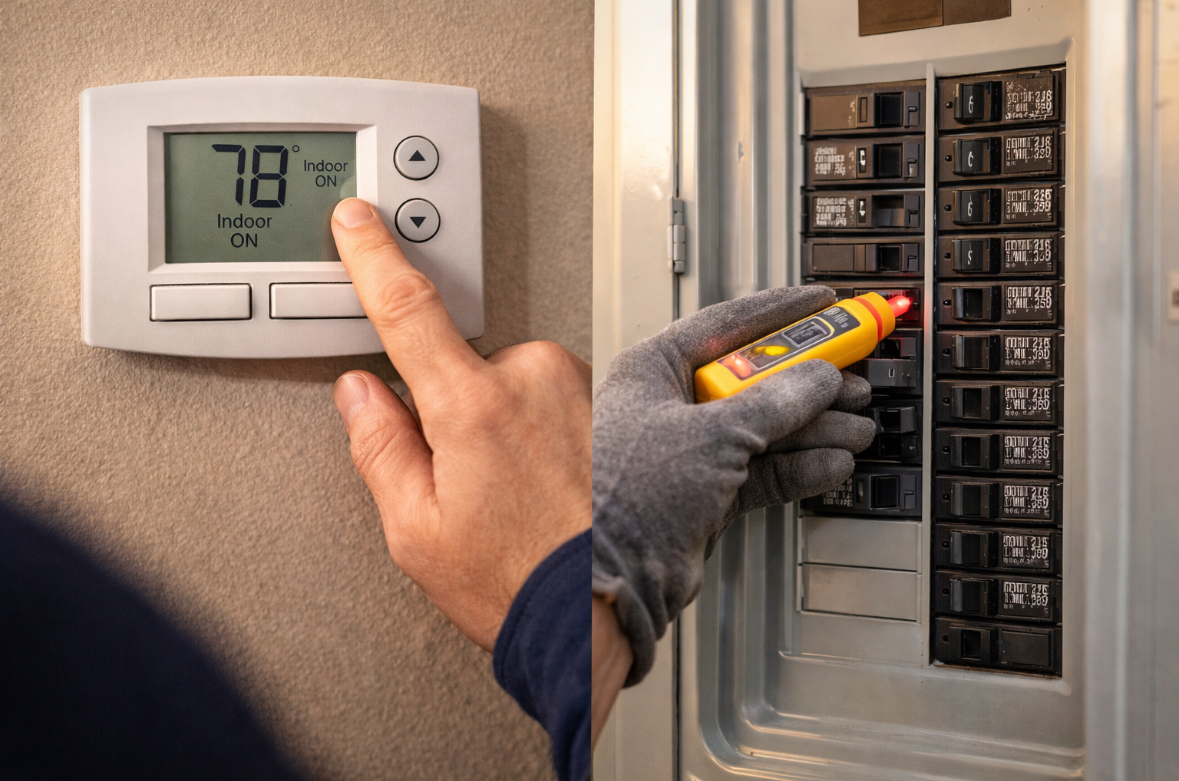
Before assuming a major system failure, it’s important to rule out basic issues that commonly occur in Newark homes. Power surges and overloaded circuits are common during peak summer heat, especially in older buildings. Thermostat settings or battery issues can also prevent your system from turning on properly. These are often overlooked but easy to fix. Checking these components first can save time and avoid unnecessary service calls. It’s a simple step that can quickly confirm whether the issue is minor or more serious.
Check these areas carefully:
- Thermostat Mode Settings – Ensure system is set to cooling mode with temperature below current room level.
- Thermostat Power Supply – Dead batteries or a blank display can stop system operation completely.
- Circuit Breaker Panel – Tripped breakers are common during high demand and may shut off your AC.
- Outdoor Unit Power Check – Confirm the condenser unit is receiving power and not disconnected.
- System Reset Attempt – Restart the system after minor issues to check if cooling resumes normally.
- Electrical Irregularities – Flickering or inconsistent operation may indicate deeper wiring issues.
If everything appears normal but your AC still isn’t working, the problem may be related to airflow or internal components. At this stage, checking airflow becomes the next logical step. Airflow issues are one of the most common causes of sudden cooling problems in Newark homes.
How to Inspect Airflow and Filter Issues Quickly
Airflow problems are a major reason AC systems stop working efficiently in Newark homes. City dust, pollen, and debris build up quickly, especially in older duct systems or compact apartments. When airflow is restricted, your AC has to work harder, which increases the risk of overheating or shutdown. In multi-level homes, this can also cause uneven cooling between floors. Checking airflow components can help identify the issue early. In some cases, simple fixes can restore basic cooling performance.
Quick airflow checks include:
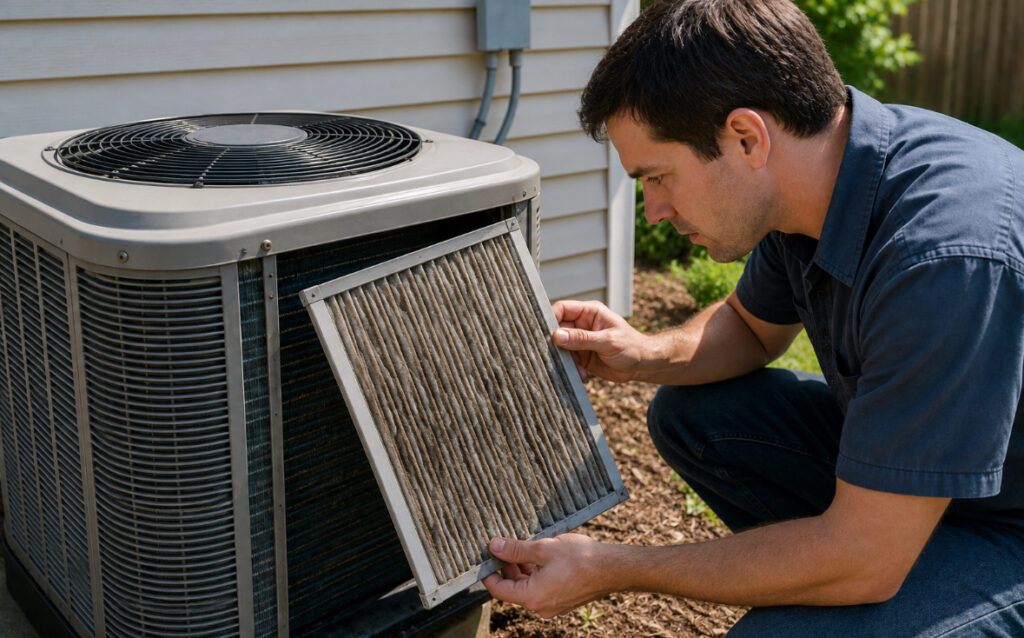
- Inspect Air Filter Condition – Dirty filters restrict airflow and reduce cooling efficiency across your system.
- Check Vent Openings – Blocked vents prevent proper air distribution throughout different rooms.
- Look for Ice Formation – Frozen coils indicate airflow restriction or refrigerant imbalance inside the system.
- Clear Return Air Vents – Proper airflow circulation is essential for balanced system performance.
- Remove Visible Dust Buildup – Dust near vents may signal deeper airflow problems within ductwork.
- Test Airflow Strength – Weak airflow may indicate internal blockage or failing blower components.
If airflow adjustments don’t improve the situation, the issue is likely more serious. Continuing to run the system can cause additional damage and increase repair costs. This is when it becomes important to recognize signs that require immediate professional attention.
When AC Problems Require Emergency HVAC Repair
Some AC issues go beyond basic troubleshooting and require immediate professional help. In Newark’s high heat and humidity, even a few hours without cooling can become extremely uncomfortable. Older systems in apartments and multi-family homes are especially vulnerable during peak demand. Certain warning signs indicate serious internal damage or safety risks. Ignoring these issues can lead to more expensive repairs or complete system failure. Knowing when to act quickly helps protect both your comfort and your system.
Call for emergency repair if you notice:
- Complete System Shutdown – AC does not respond even after checking the thermostat and electrical components.
- Frequent Breaker Trips – Indicates potential electrical hazards requiring immediate inspection.
- No Cooling Output – System runs but fails to produce cool air effectively.
- Loud Mechanical Noises – Grinding or banging sounds signal internal component damage.
- Water Leaks or Ice Formation – Indicates serious system imbalance or drainage issues.
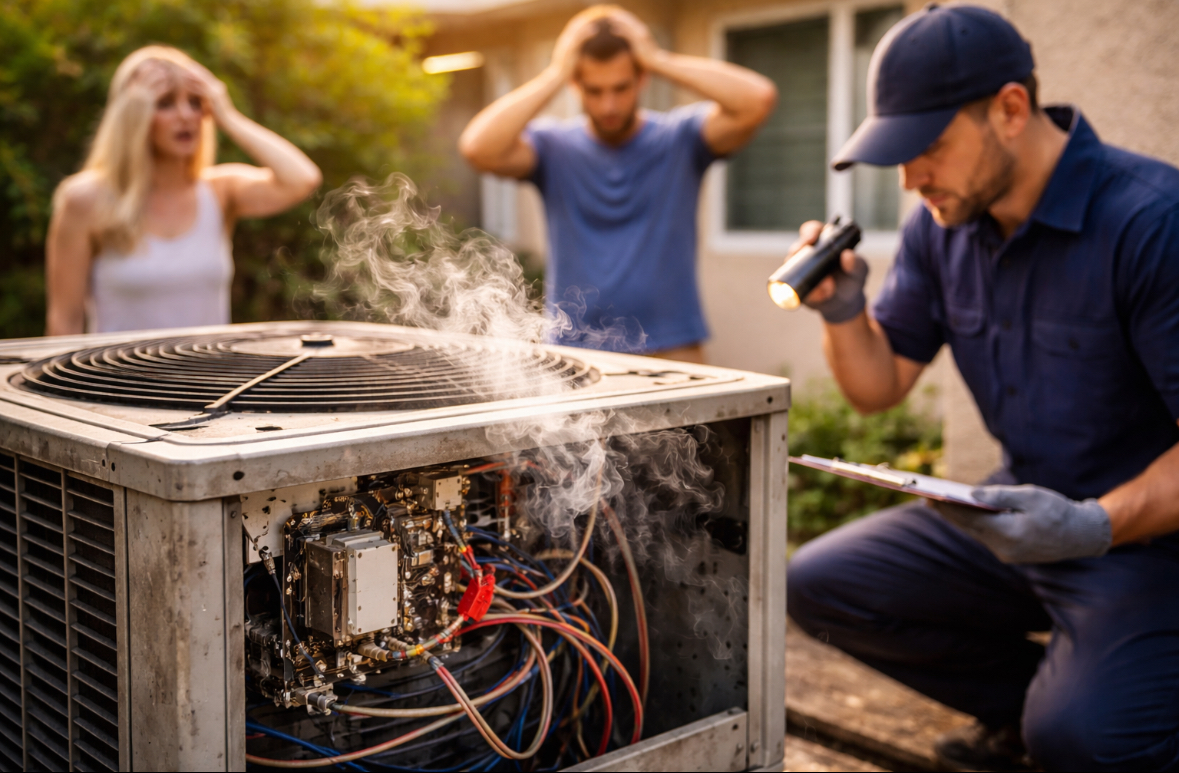
- Burning Smell from Unit – Electrical failure or overheating components require immediate shutdown.
Acting quickly in these situations can prevent further damage and reduce downtime. Once professional help is on the way, understanding what happens during a repair visit can help you feel more prepared and confident about the process.
What to Expect During an Emergency AC Repair Service Visit
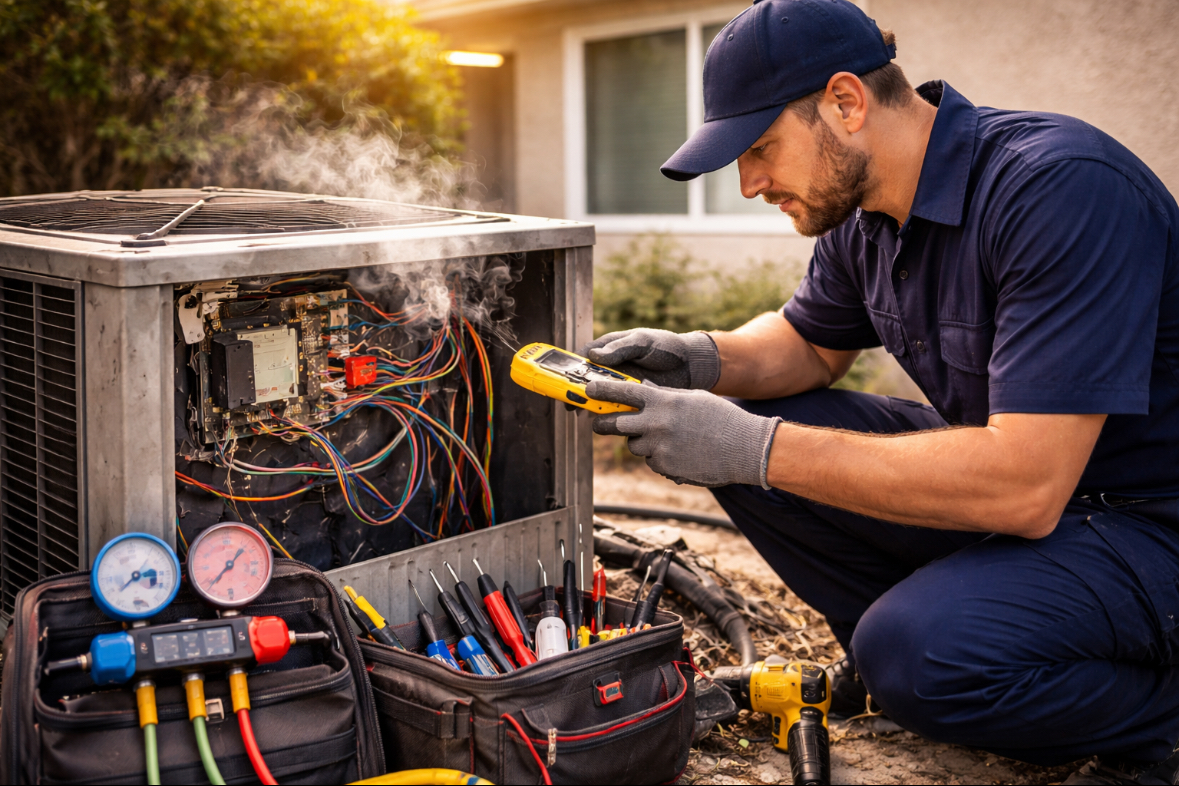
When your AC stops working during a Newark heatwave, waiting for relief can feel stressful. High humidity and rising indoor temperatures—especially in upper-floor apartments or tightly packed homes—make fast service critical. A professional visit is designed to quickly identify the issue and restore cooling without unnecessary delays. Technicians follow a structured process to avoid guesswork and ensure accurate repairs. Understanding what happens during the visit helps reduce uncertainty. It also prepares you to communicate symptoms clearly for faster diagnosis.
The typical AC repair process includes:
- Initial System Assessment – Technician checks thermostat settings, power supply, and overall system responsiveness first.
- Electrical System Inspection – Identifies wiring issues, capacitor failures, or breaker-related problems affecting operation.
- Component Evaluation – Compressor, coils, blower motor, and fans are inspected for damage or malfunction.
- Refrigerant Level Check – Ensures system has proper charge and detects leaks affecting cooling performance.
- On-Site Repair Execution – Many common issues are resolved immediately to restore cooling quickly.
- System Testing After Repair – Confirms airflow, temperature output, and overall system performance before completion.
What Technicians Typically Check During a Visit
| System Component | Why It Matters in Newark Homes | Common Issues Found |
|---|---|---|
| Thermostat | Controls cooling cycles in tightly sealed homes | Incorrect settings, calibration issues |
| Electrical Components | Handles heavy summer load demand | Capacitor failure, wiring problems |
| Airflow System | Essential for multi-room cooling | Blocked vents, weak airflow |
| Refrigerant System | Critical for cooling performance | Low levels, leaks |
| Drain Line | Prevents moisture buildup in humid conditions | Clogs, water overflow |
In many cases, a quick response makes all the difference during extreme heat. If your system fails completely, scheduling a reliable emergency AC repair service early helps prevent prolonged discomfort and avoids further strain on your HVAC system.
How to Prevent Sudden AC Breakdowns During Newark Summers
Preventing sudden AC failures requires consistent attention to maintenance and system performance. Newark’s long, humid summers—combined with older housing infrastructure—put continuous stress on cooling systems. Small issues like clogged filters or restricted airflow can build up over time and lead to unexpected breakdowns. Proactive AC care helps your system run more efficiently under heavy demand. Regular inspections also reduce the risk of emergency repairs. A well-maintained system performs better, lasts longer, and keeps your home comfortable even during peak heat.
Preventive steps include:
- Replace Air Filters Regularly – Clean filters improve airflow and reduce strain on system components during operation.
- Clean Outdoor Condenser Unit – Removing debris ensures proper heat exchange and prevents overheating during peak usage.
- Schedule Seasonal HVAC Tune-Ups – Professional inspections detect hidden issues before they cause system failure.
- Inspect Thermostat Accuracy – Ensures proper cooling cycles and prevents unnecessary system overworking.
- Check Condensate Drain Line – Prevents clogs that can lead to leaks or unexpected system shutdown.
- Monitor System Performance Changes – Early signs like noise or weak airflow help prevent major breakdowns.
Preventive Maintenance Schedule for Newark Homes
| Maintenance Task | Why It’s Important in Newark Climate | Recommended Frequency |
|---|---|---|
| Air Filter Replacement | Prevents airflow restriction from dust and city pollutants | Every 1–3 months |
| Outdoor Unit Cleaning | Ensures proper heat release during hot, humid conditions | Monthly |
| HVAC System Inspection | Detects wear caused by heavy seasonal usage | Annually (before summer) |
| Drain Line Cleaning | Prevents moisture buildup and water damage | Every 3–6 months |
| Thermostat Check | Maintains accurate temperature control | Seasonally |
Even with proper maintenance, AC systems can still fail under extreme conditions. When that happens, having access to a dependable emergency AC repair service ensures you’re not left dealing with prolonged discomfort during Newark’s hottest days.
Why Choose Maverick Ambitions for Emergency AC Repair in Newark, NJ
When your AC stops working suddenly, choosing the right HVAC company can make a major difference in how quickly your comfort is restored. Newark homes—especially older apartments and multi-family buildings—require experience with airflow challenges, aging systems, and high summer demand. A local team understands how these factors affect performance and can diagnose issues more accurately. Fast response times are essential when indoor temperatures rise quickly. Reliable service helps minimize downtime and prevent further damage.
Choosing Maverick Ambitions for your emergency AC repair needs means working with a team that understands Newark’s climate and housing conditions. From rapid diagnostics to efficient repairs, the focus is on restoring cooling as quickly as possible while ensuring long-term system performance. Whether it’s a sudden breakdown or recurring issue, the right expertise helps keep your home comfortable throughout the summer.